It started with an email from a robotics coach in the Quad Cities, asking about “challenges in archaeology.” Next, Elizabeth Reetz, strategic initiatives director within the Office of the State Archaeologist (OSA), received inquiries about field trip opportunities to help kids “determine an archaeological problem.” Then, the UI College of Engineering reached out to invite her to speak at a regional kick-off event about OSA’s resources for the “FIRST family of programs” and “FIRST AGE” competition.
The stream from inquiries from seeming disparate sources led to Reetz’s and the OSA’s involvement in a singular, global event: FIRST® AGE Lego challenge. More than 700,000 kids participate annually in the competition.
This year’s theme was archaeology, and Reetz jumped at the opportunity for her and the OSA to engage. In her 12 years at OSA, Reetz says she’s never received so many inquiries from K-12 students and educators. Like any good archaeologist, she started digging. What she uncovered was the youth participants could earn points by engaging with professional archaeologists – presenting a goldmine of opportunities for her and the OSA.
Reetz rallied her colleagues nationwide and within Iowa to help them prepare to support thousands of curious students. She alerted national and state organizations, wrote talking points to dispel misconceptions about archaeology, educated colleagues about the competition’s goals, and hosted webinars and open houses for the public.
“There’s only about 70 professional archaeologists in the state,” says Reetz. “And with the promotion for the competition starting in May, it hit us during our busiest time as archaeologists.”
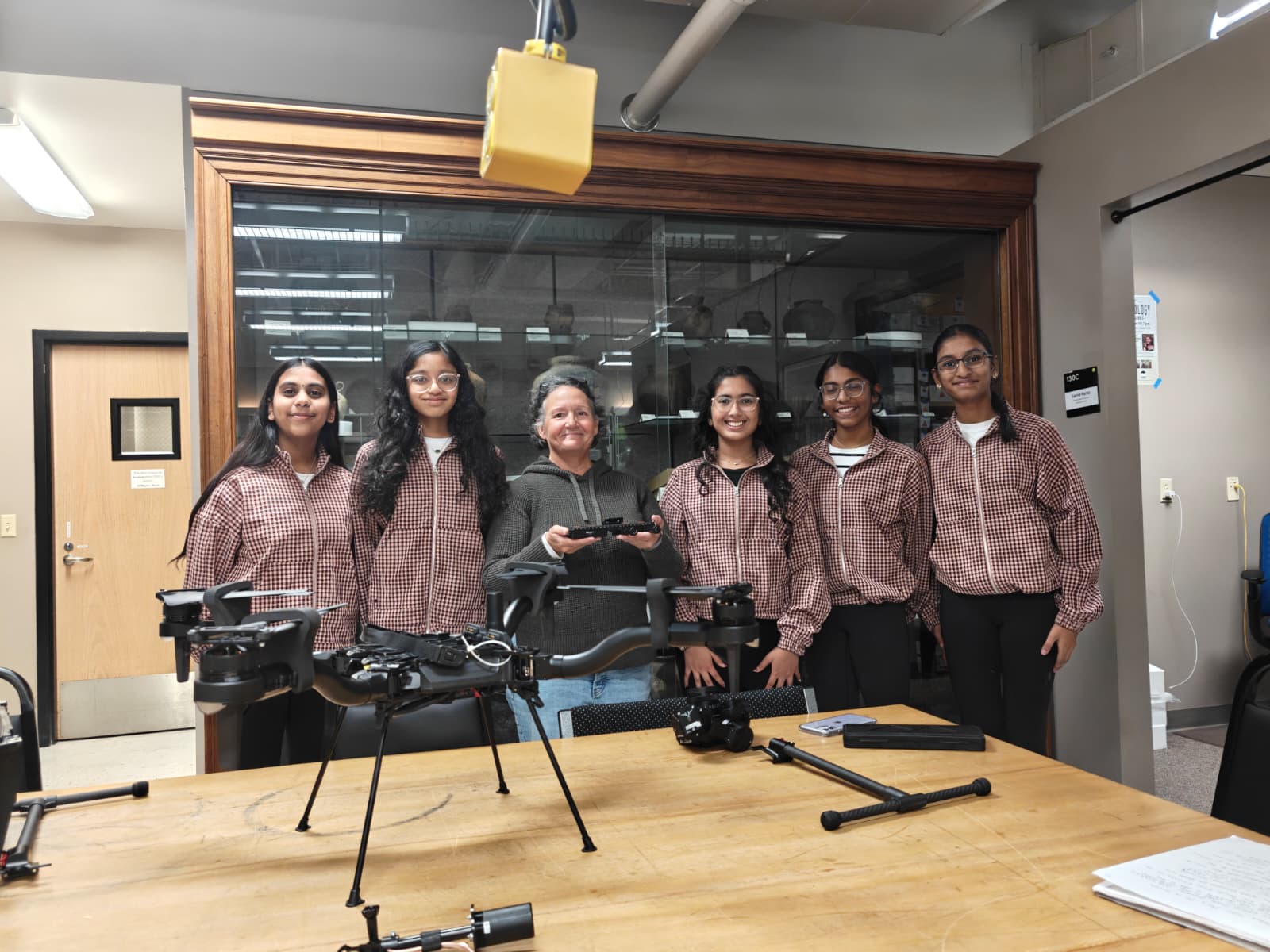
Her OSA colleagues went above and beyond to help Iowa kids. One, Mary De La Garza, research technology director and resident drone expert, was a natural mentor for kids interested in robotics. She answered hundreds of questions from kids and coaches and worked closely with a few Iowa teams.
“I loved every minute of it,” De La Garza says.
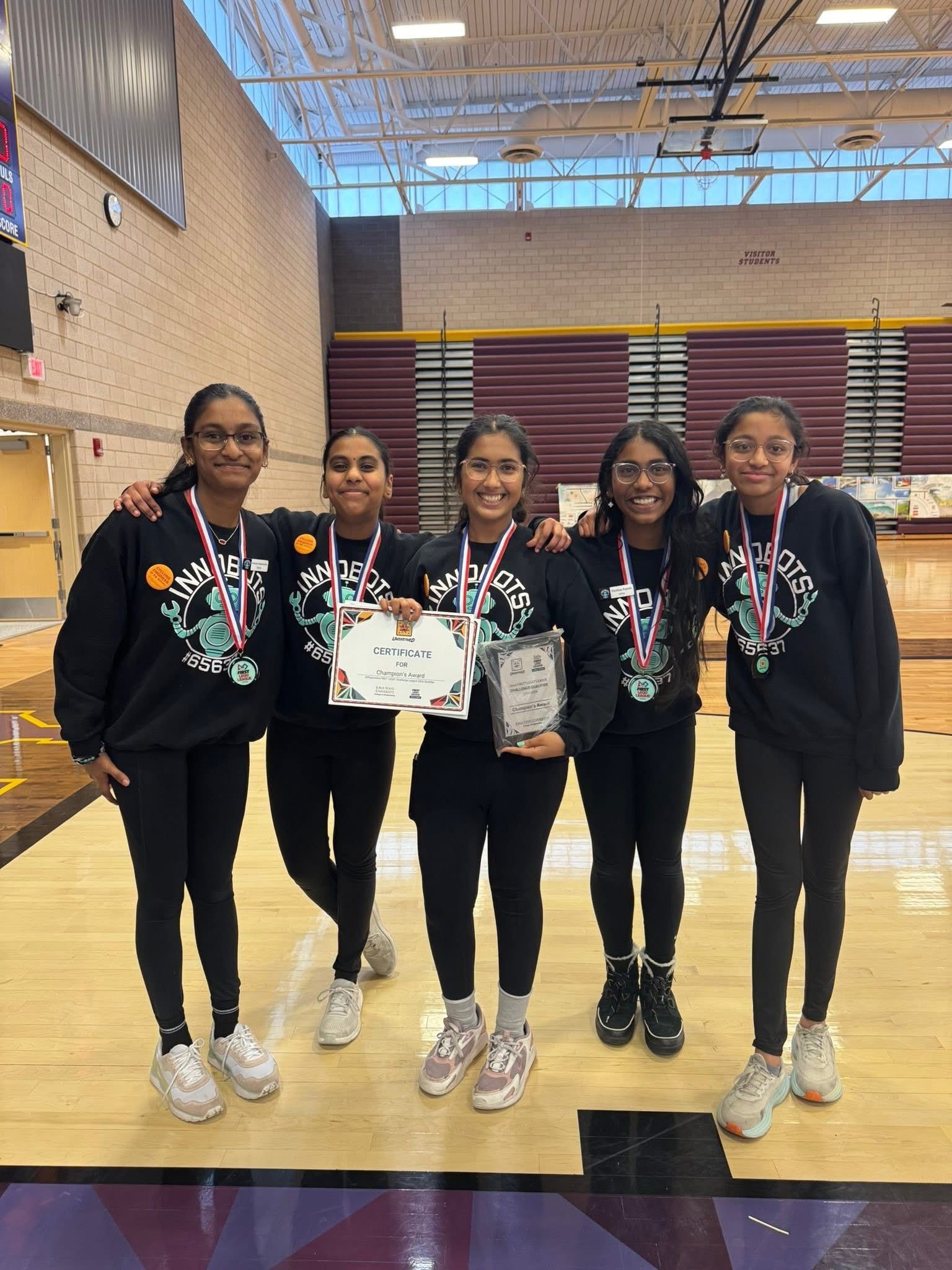
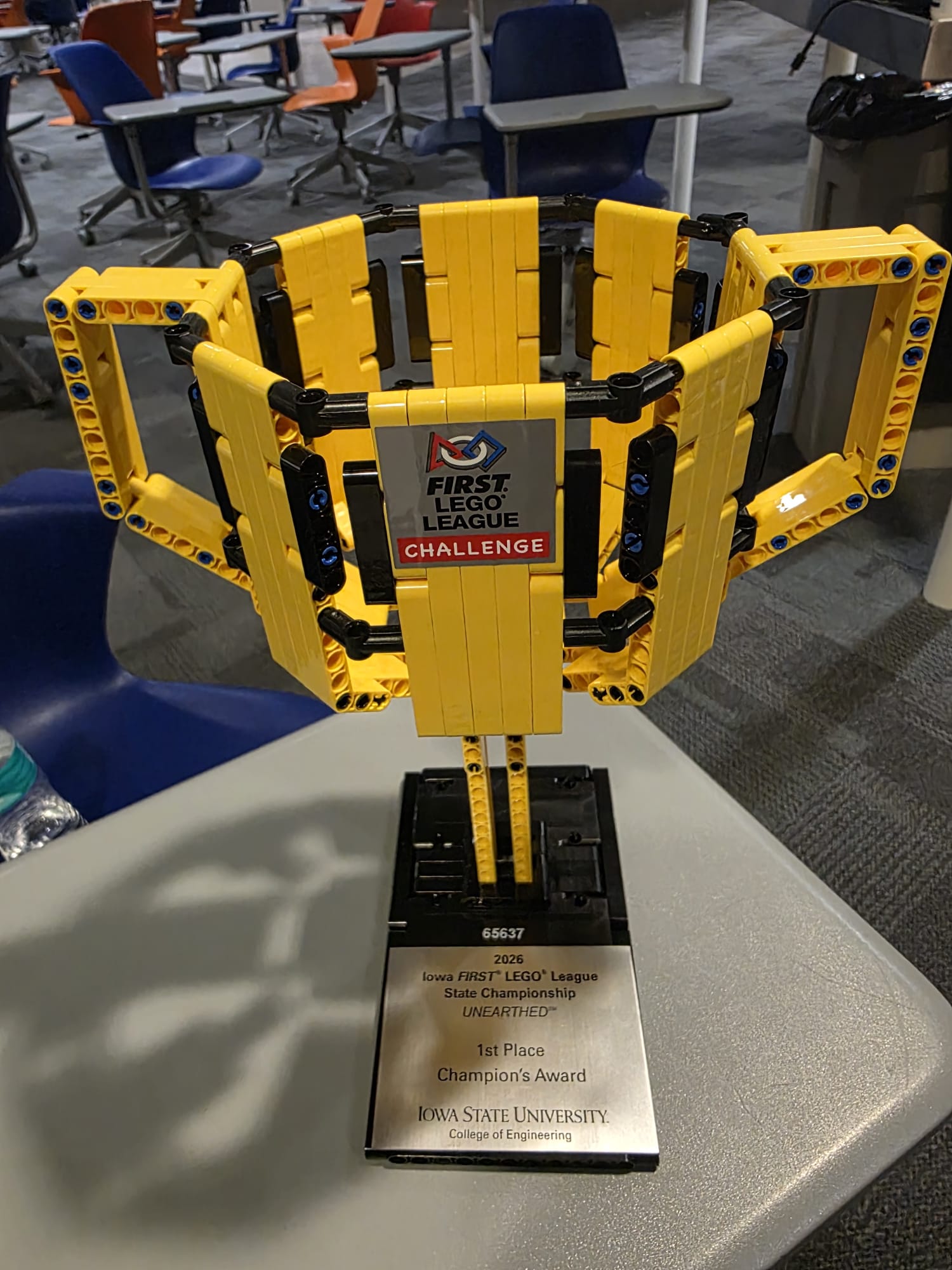
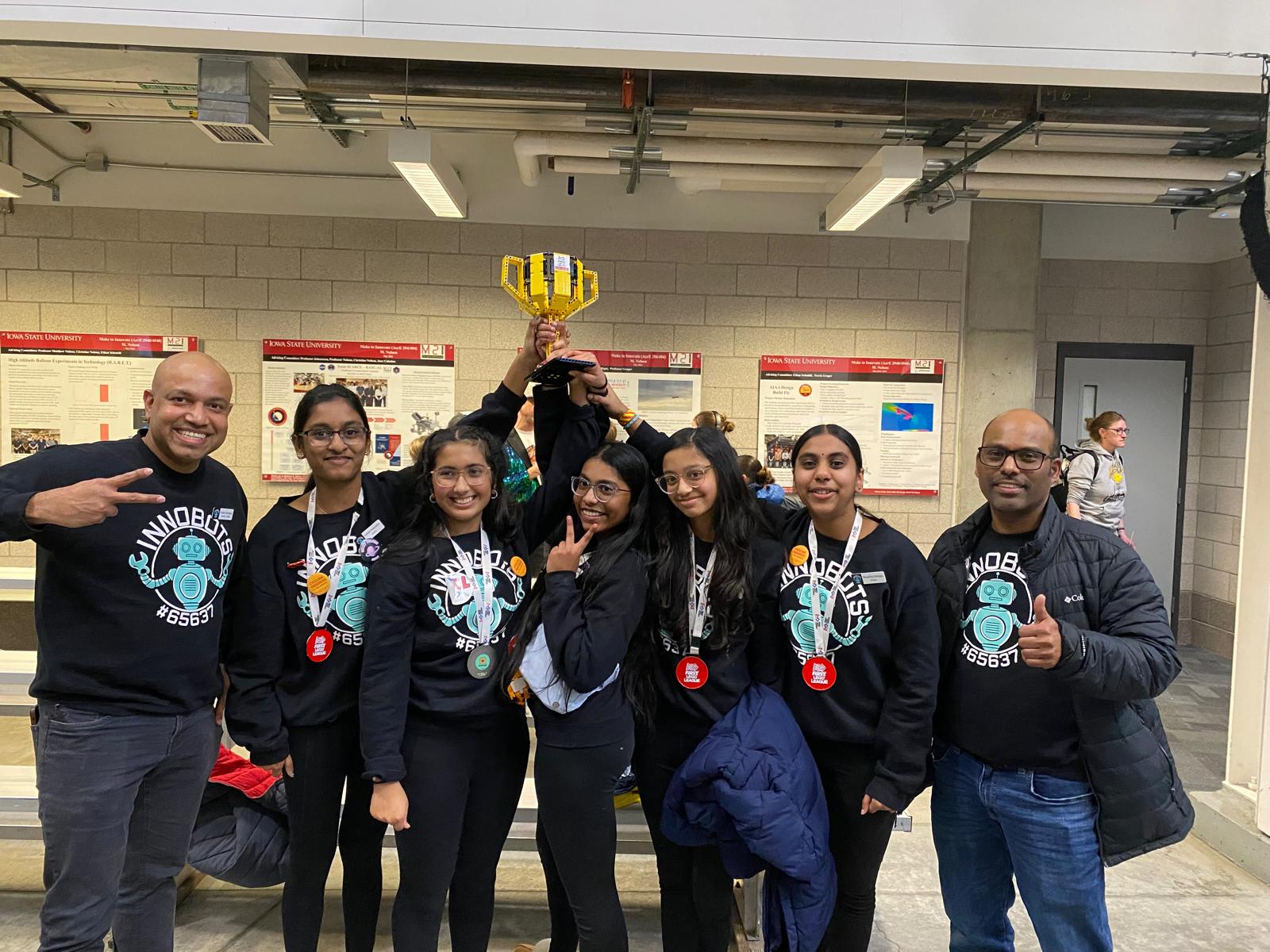
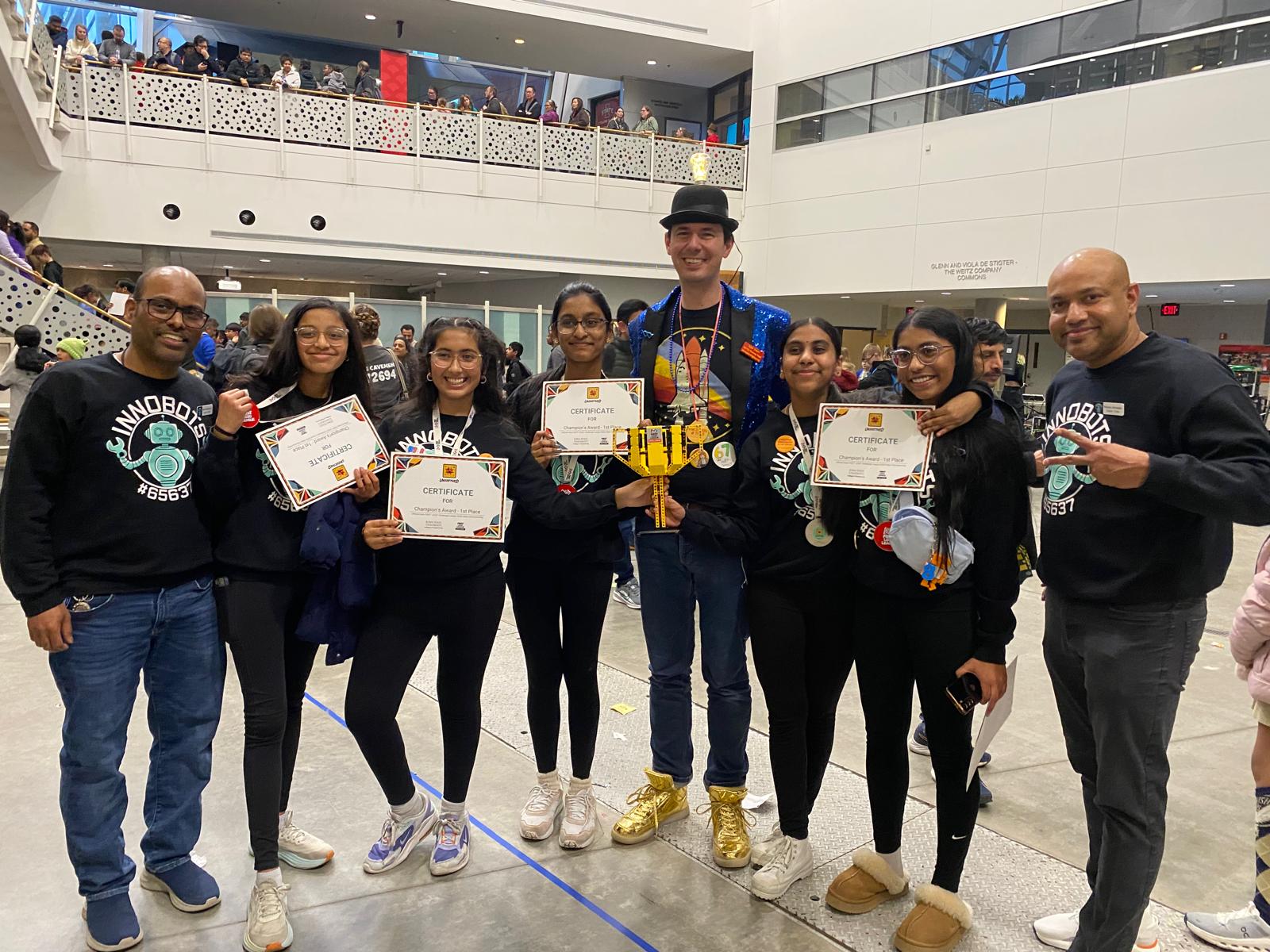
De La Garza mentored an all-girl engineering team from several Waukee middle schools called Team Innobots. They placed first out of 31 teams at a regional competition in Webster City, Iowa, in the fall and progressed to the state competition, where they earned First Place in the Champion’s Award. Team Innobots will represent Iowa and compete alongside teams from around the world at the final competition in Houston, Texas, in the summer.
“I was so impressed by their thinking and problem solving,” De La Garza says. “They picked up on how my drone can carry only one camera, but I often need two, for LiDAR and HDMI. Then they built a real prototype out of metal that can carry both cameras.”
Cherie Haury-Artz, education assistant in OSA, helped students from across the state think about archaeology differently.
“Archaeology is about people,” Haury-Artz explains. One technique she often starts with is to lay out a variety of objects, modern or ancient, and ask students to describe what these objects tell her about the people who used them.
As she helped the youth explore the different challenges archaeologists experience, she was impressed at their creativity and drive.
“The variety of ideas they came up with was mind-blowing," says Haury-Artz.
Is digging causing injuries over time? Exoskeleton. Contaminants in the soil? PPE. Graffiti on protected sites? Surveillance system.
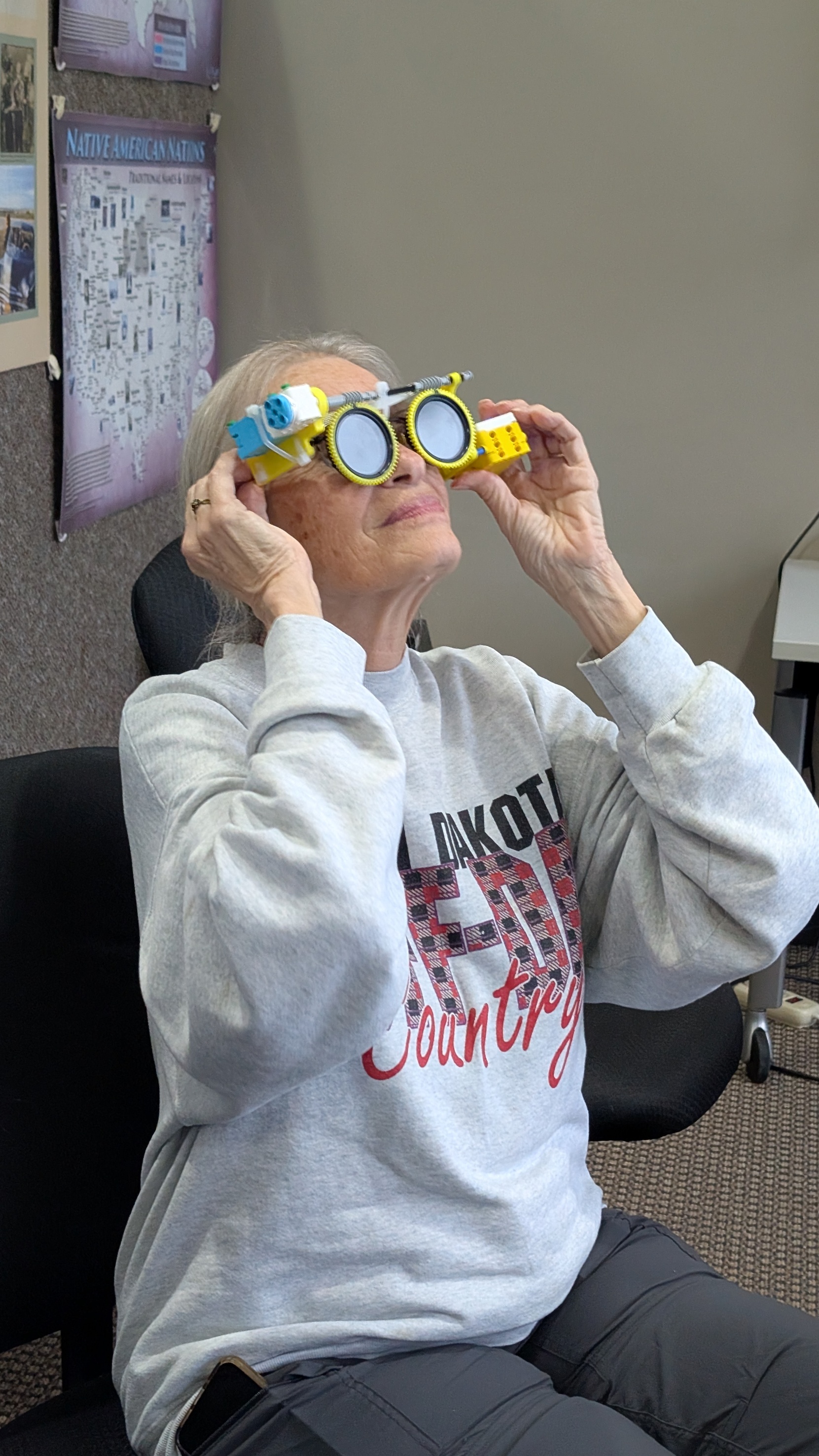
One solution that delighted the team revolved around the struggle to clearly see a tablet screen after being out in the sun. A team from the Quad Cities, River Valley Robo Jockies, 3D-printed a pair of glasses that made the screen readable whether the user was outside or inside. The archaeologists tried on the glasses and gave feedback to the students.
“I was smiling so hard,” says Haury-Artz.
Throughout the summer and fall, the OSA reached thousands of kids and coaches through dozens of events and directed hundreds more to other experts in the state. Five teams they mentored advanced to the state competition in Ames, they believe.
Reetz says she and her staff were delighted to help, despite the extra workload.
“Not only do Office of the State Archaeologist educators have a lot of training and experience working with K-12 audiences, but it’s also a major focus and goal of our program,” says Reetz. “The students who got in touch with us were so smart, high-achieving, and competitive.”
And, perhaps, in the long run, Reetz and her colleagues have inspired the next generation of archaeologists.
“Thousands of students didn’t know a lot about archaeology before, and now, they know it can be a viable career option,” Reetz says.